
Building Trust in Health Science Through Community Partnership and Lived Experience Action Collaborative

About the Program
Strengthening trust in health science, together.
The NAM Building Trust in Health Science Collaborative, supported by the Robert Wood Johnson Foundation, brings together community members, researchers, and institutions to strengthen public confidence in health science.
By making research more open, collaborative, and responsive to the people it serves, this initiative explores how to restore trust and close the gap between scientific institutions and the broader public. Through genuine community partnership, public education, and thoughtful data practices, the Collaborative aims to make science better serve the people behind the data and support the health of all.
Launch Webinar
Building Trust in Health Science Roundtable: Learning & Leading—Together
During this virtual roundtable, we shared background information and initial components of the Building Trust in Health Science Collaborative, presenting its foundational goals and strategic framework. This convening marks the beginning of a public-facing dialogue, where we invite open input, feedback, and shared reflection to shape the path forward together.

Why Trust Through Community Partnership Matters for Health Science
Health touches every part of our lives—it lives in the voices of elders, the memories of caregivers, and the everyday choices made in homes, schools, and neighborhoods. Building trust begins with listening—to stories passed down, moments of challenges and resilience, and lived experiences that carry the weight of generations. Experiences reveal what data alone cannot, helping to co-create health science that is shaped with the wisdom of those who live its consequences.
Long-term trust grows when scientists and institutions are transparent, inclusive, and communicate clearly—especially how research is conducted and why it matters for health and well-being. Working with communities helps ensure that scientific efforts are better understood, more relevant to everyday life, and ultimately more effective.
Related Resources

NAM Staff


Collaborative Leadership
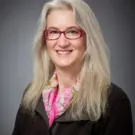
Alexandra (Alex) Adams, MD, PhD, has partnered with multiple Native American communities for over 25 years to promote family and community health and wellness using both scientific rigor and crucial community knowledge. She is currently the director of the NIH-funded Center for American Indian and Rural Health Excellence (CAIRHE) at Montana State University, which focuses on building research partnerships with rural and Native American communities and mentoring junior investigators. The foundation of her work is community-based participatory research, collaborating with Indigenous communities to understand and solve health challenges using both scientific rigor and crucial community knowledge. She has directed multiple clinical trials and received over $40 million of NIH and foundation funding. Her work focuses on the promotion of family and community wellness and healing trauma through community building. She also uses storytelling, filmmaking, and other outreach strategies to engage communities and impact health.
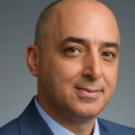
Fouad Atouf, PhD is the Chief Science Officer at US Pharmacopeia. Fouad leads the organization’s global scientific strategy and development of quality standards across medicines, biologics, dietary supplements, and healthcare practice. Fouad also oversees the work of USP’s Expert Committees and serves as the Chair of the Council of Experts, USP’s highest scientific governance body, responsible for the scientific direction and development of standards. Since joining USP in 2006, Fouad has held key leadership roles, notably leading the modernization of existing standards and launching and implementing USP’s biologics strategy, focusing on technologies used to manufacture and test new modalities of medicines. A recognized thought leader, he collaborates with global regulators, pharmacopeias, industry, and other stakeholders to promote regulatory convergence, advance the implementation of emerging technologies, and develop forward-looking quality solutions that support access to critical medicine.
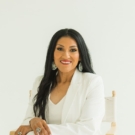
Rhonda K. Beaver, a citizen of the Muscogee (Creek) Nation and of Cherokee descent, brings 24 years of dedicated service to American Indian healthcare. A lifelong advocate, she has committed her career to advancing access, improving outcomes, and strengthening health systems for Indigenous people. With a deep cultural grounding, Rhonda weaves Indigenous values, traditions, and community-centered approaches into every aspect of her work. For two decades, she served Tribal nations with steadfast commitment, helping build and support programs that honor sovereignty, self-determination, and culturally informed care. Rhonda’s influence extends beyond healthcare operations. She is a champion for cultural preservation, story-telling, and the integration of identity and language into healing practices. Her passion for community empowerment drives her involvement in initiatives that uplift Native voices and strengthen tribal governance in health policy. Throughout her career, Rhonda has played a pivotal role in bridging the divide between Native nations and mainstream healthcare systems. Her leadership has helped embed cultural competency into organizational practices, ensuring Indigenous perspectives guide the design and delivery of care. Rhonda remains a strong voice for Indigenous advocacy, working to create equitable, respectful, and sustainable health systems that honor the resilience and traditions of Native people.

Bryan O. Buckley, DrPH, MPH, MBA, CPCHE, ACC, is a leader focused on health and system-oriented approaches. As the Head of Public Health at CareFirst BlueCross BlueShield, Dr. Buckley spearheads the strategy for advancing and achieving better health outcomes for the people and communities in Maryland, the District of Columbia, and the Northern Virginia regions. He is an Adjunct Assistant Professor at Georgetown University, mentoring graduate students in community partnerships and change management. With over 15 years of experience, Dr. Buckley is a dedicated public health practitioner who blends frontline experience with educational insights, leading transformational initiatives in organizational development, process improvement, health delivery system redesign, performance improvement, and change management. Dr. Buckley’s academic credentials include a Doctor of Public Health (DrPH) from the Harvard T.H. Chan School of Public Health, focusing on management, strategy, and organizational change. Additionally, he earned an Executive MBA from the Quantic School of Business and Technology, a BS in Microbiology, and an MPH with a concentration in Infectious Diseases and Administration from Michigan State University. As a certified ICF coach, Dr. Buckley is deeply involved in public health leadership, serving as a former Executive Board Member at the American Public Health Association and on the National Board of Creating Healthier Communities. Locally, he contributes as a Board Member of the American Heart Association’s Greater Washington Region and Food & Friends, showcasing his commitment to community health and well-being.

Alec J. Calac, PhD, is a UC San Diego–San Diego State University jointly trained public health researcher and physician-scientist from the Pauma Band of Luiseño Indians. He earned his PhD in global health with a focus on Indigenous data sovereignty and is now an MD candidate in the UCSD Medical Scientist Training Program. Alec is deeply committed to Native American health equity, tribal public health policy, and medical workforce development. He previously served as national president and policy director of the Association of Native American Medical Students and leads research on tribal public health, digital health, tobacco control, among other priority topics.
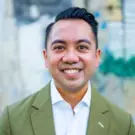
Enrico Castillo is a community psychiatrist, health services researcher, and medical educator. He is the Medical Director for Clinical Innovations and Strategy in the San Francisco County Department of Public Health Behavioral Health Services. In this role he creates and implements new clinical programs, advises health system leaders, collaborates with frontline providers to improve existing services, and enhances data systems to support evaluation and continuous quality improvement. His leadership, research, and teaching centers on public service, community-government-academic partnerships, and improving the systems and programs that serve individuals with serious mental illness, especially in the areas of homelessness and incarceration. He serves in several national and state leadership roles in research and medical education, including the Mental Health Advisory Board of the Association of American Medical College, multiple roles within the American Psychiatric Association, Career Development Institute for Psychiatry, National Alliance to End Homelessness, and the California State Council on Criminal Justice and Behavioral Health. Dr. Castillo was previously an Associate Professor of Clinical Psychiatry at UCLA and is the co-editor of the forthcoming book, “Homelessness: A Clinical Guide for Providing Mental Health Care for People Experiencing Homelessness,” by American Psychiatric Association Publishing. He was a member of the second cohort (2021-2023) of the New Voices Program of the National Academies of Sciences, Engineering, and Medicine.
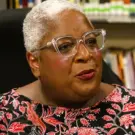
Dr. Adrienne Dillard is the Chief Executive Officer of *Kula no nā Po‘e Hawai‘i (KULA)*, a community-based nonprofit that has served the Native Hawaiian Homestead communities of Papakōlea, Kewalo, and Kalāwahine for more than three decades. She earned her Ph.D. in Social Welfare from the University of Hawai‘i at Mānoa in 2018, where her research focused on caregivers of kūpuna (elders) with age-related memory loss. She also holds both a Bachelor’s and Master’s degree in Social Work from Hawai‘i Pacific University and became a Licensed Clinical Social Worker in September 2025. In addition to her leadership at KULA, Dr. Dillard is adjunct faculty at the UH John A. Burns School of Medicine, Department of Native Hawaiian Health. She serves as chairperson of the Community Advisory Board for the Center for Pacific Innovations, Knowledge, and Opportunities (PIKO) Community Engagement and Outreach Core, and is a consultant for the National Center for Engagement in Diabetes Equity Research (CEDER). She also chairs the board of Hawaiian Community Assets, a nonprofit dedicated to helping low- and moderate-income families achieve economic self-sufficiency. Dr. Dillard is widely recognized for her strengths-based, culturally grounded approach to health equity, education, and workforce development. Her extensive experience reflects a deep commitment to advocating for Native Hawaiian health and well-being, integrating Indigenous values into Western systems, and uplifting communities through clarity, ceremony, and collective empowerment.
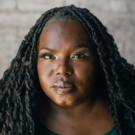
Hannah Drake is a blogger, podcast host, activist, public speaker, poet, and author of 11 books. She is the co-executive director of IDEAS xLab and co-founder of the (Un)Known Project, which uncovers the hidden names and stories of enslaved Black people in Kentucky and beyond. Her writing on politics, feminism, and race has been featured in Cosmopolitan, The Washington Post, The Bitter Southerner, The Lily, and Harper’s Bazaar. Recognized as the Most Admired Woman in the Arts by Today’s Woman Magazine, Hannah is also a Daughter of Greatness and a Kentucky Colonel. She is a Soros Fellow with the Open Society Foundation and was inducted into the Kentucky Women Remembered exhibit in 2023. In 2025, she received the Living the Vision Award honoring Dr. Martin Luther King Jr.’s legacy. Hannah also holds an Honorary Doctorate in Humanities from Simmons College of Kentucky. Her message challenges audiences, urging transformation through truth. “My sole purpose in writing and speaking is not to entertain you. I am trying to shake a nation.”

Kafui Dzirasa completed a PhD in Neurobiology at Duke University. His research interests focus on understanding how changes in the brain produce neurological and mental illness. Kafui obtained an MD from the Duke University School of Medicine in 2009, and he completed residency training in General Psychiatry in 2016. In 2016, Kafui was awarded the Presidential Early Career Award for Scientists and Engineers: The Nation’s highest award for scientists and engineers in the early stages of their independent research careers. In 2017, he was recognized as 40 under 40 in Health by the National Minority Quality Forum. He was induced into the American Society for Clinical Investigation in 2019, the National Academy of Medicine in 2021, and appointed as an Investigator of the Howard Hughes Medical Institute in 2021. Kafui has served as an Associate Scientific Advisor for the journal Science Translational Medicine, a member of the Congressional-mandated Next Generation Research Initiative, the Editorial Advisory Board for TEDMED, and the Advisory Committee to the NIH Director. Kafui is the A. Eugene and Marie Washington Presidential Distinguished Professor with appointments in the Departments of Psychiatry and Behavioral Sciences, Neurobiology, and Biomedical Engineering.

Dr. Altovise Ewing-Crawford is a clinician-scientist with 15 years of genetic counseling, health disparities research and health equity strategy experience. She earned a Ph.D. in Genetics and Human Genetics with a specialization in Genetic Counseling from Howard University and completed a cancer health disparities postdoctoral research fellowship at The Johns Hopkins University Bloomberg School of Public Health. Altovise has dedicated her career to ensuring that emerging genetic and genomic resources, services and technologies do not further exacerbate racial and ethnic health disparities and inequities. Her unwavering passions for health equity and inclusion have afforded opportunities for her to engage with a myriad of stakeholders across the genetics and genomics ecosystem. She serves as a trusted and committed healthcare liaison to marginalized, medically underserved, and underrepresented communities participating in research and accessing genomic services. Her scholarship centers the inclusion of diverse patient populations in genetics research and the development of ethically-sound educational and engagement strategies to better serve and address the needs of medically underserved populations.

David Olawuyi Fakunle, Ph.D. is a “mercenary for change,” employing the necessary skills and occupying the necessary spaces to help strengthen everyone divested from their truest self, particularly those who identify as Black, Indigenous and/or a Person of Color. David serves as Assistant Professor in the Public Health Program of the Department of Public and Allied Health at the Morgan State University School of Community Health & Policy, Associate Faculty in Mental Health at the Johns Hopkins Bloomberg School of Public Health, and formerly as Adjunct Assistant Professor at the University of Florida Center for Arts in Medicine. David’s interests include stressors within the built environment, manifestations of systemic oppression, and the utilization of arts and culture to cultivate holistic health through humanity, justice, equity and ultimately, liberation. Additionally, David has applied artistic and cultural practices such as Black storytelling, African drumming, singing and theater in the proclamation of truth for over 25 years, collaborating primarily with organizations in the Baltimore/Washington, D.C. region. Among many affiliations, David is co-founder and CEO of DiscoverME/RecoverME, an organization that utilizes the African oral tradition to empower use of storytelling for healing and growth, currently serves as Director of the T.E.A.C.H. (Transforming Equity through Arts, Culture & Health) Division of The National Great Blacks In Wax Museum & Justice Learning Center, and serves as Chair of the Maryland Lynching Truth and Reconciliation Commission, the first state-level commission in the U.S. dedicated to chronicling and bringing justice to racial terror lynchings.

“If it’s meant to be, it’s up to me”. These lines govern the life of Lillie Fox serving the community for over 40 years. Ms. Fox has been involved in all aspects of community service from mentoring, molding, teaching and organizing. Enlightening and reaching out to all those in need. Ms. Fox has been in all aspects of servant leadership from school, churches, prison and every arena. Noticeably her special dedication has been to caring for babies, mothers, fathers and families for the last three decades. She was awarded the Algernon Sidney Sullivan award for outstanding community service on May 8, 2008. She is a member of civic and religious organizations. She is a member of SCCHWA, SW/CHW work group and the NCHWA. Ms. Fox is a graduate of Coker University, where she earned her BSW, and South University, where she completed her MA. She also completed Community Health Worker training and earned certification as a CHW. In 2023, she received the Outstanding Leadership award.

Ricardo Garay was born and raised in Tegucigalpa, Honduras. He currently serves the community at Austin Public Health for the City of Austin. He is a community organizer and previously led the Community Health Worker Hub at the Dell Medical School at the University of Texas, and the Health Network at Migrant Clinicians Network (MCN). Ricardo has worked with a wide range of health providers that include community organizers, grassroots organizations, county and state health departments, federally qualified health centers, researchers, and policymakers to promote health and belonging. Ricardo currently serves on the board of the National Association of Community Health Workers and has previously served on Texas Association of Promotores & Community Health Workers, and the Texas Society of Public Health Education. He is certified as a Community Health Worker and Instructor in the state of Texas and continues to organize CHWs in Central Texas and nationally. Ricardo draws from over two decades of experience working alongside immigrant populations, refugees, low-income, uninsured, and other communities directly affected by structural violence. His goal is to work, learn, and collaborate for liberation and community wellbeing.

Jeannette Ickovics is the Samuel and Liselotte Herman Professor of Social and Behavioral Sciences and Professor of Psychology at Yale University. She previously served as Dean of Faculty at Yale-NUS College in Singapore. At the Yale School of Public Health, Dr. Ickovics was Founding Director of Social and Behavioral Sciences and Founding Director of CARE: Community Alliance for Research and Engagement (part of Yale’s inaugural Clinical and Translational Science Award). She was Deputy Director for the Yale Center for Interdisciplinary Research on AIDS where she led an NIH training program for pre- and post- doctoral fellows for 15 years. Dr. Ickovics’ research, funded with more than $40 million from NIH, CDC, and private foundations investigates the interplay of complex biomedical, behavioral, social and psychological factors that influence individual and community health, especially for those traditionally underserved. She is author of more than 240 publications in maternal health, mental health, and community health. Her most recent work focuses on global climate resilience, health, and equity in collaboration with the Resilient Cities Network, representing 100 cities globally. At the Yale Center on Climate Change and Health, she is Director of the Program on Climate Change and Urban Health. Dr. Ickovics is a recipient of numerous awards for her scientific contributions and mentoring of early career investigators. She is Chair of the Board of Scientific Affairs of the American Psychological Association and an inaugural member of their Climate Change Advisory Group. She is an elected member of the Academy of Behavioral Medicine Research.
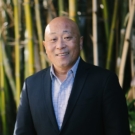
Sam Joo is the Chief Executive Officer of the Asian American Drug Abuse Program (AADAP), a community-based organization committed to providing culturally responsive prevention, treatment, and reentry services across Los Angeles County. In this role, he leads the agency’s strategic direction, partnerships, and program expansion, strengthening AADAP’s impact in behavioral health and community well-being. He started as a substance use counselor at AADAP, where he witnessed firsthand the generational impact of the crack epidemic in South Los Angeles—an experience that shaped his lifelong dedication to equity, healing, and community-driven solutions. Prior to returning to AADAP as CEO, Mr. Joo held several leadership roles across the nonprofit sector. He served as Vice President of Student and Community Services at Para Los Niños, a nonprofit founded on Skid Row that provides comprehensive education, family support, and workforce development programs. He also worked with the Koreatown Youth and Community Center (KYCC), a multi-service agency serving the diverse Koreatown community. In addition, he served as Director of the Magnolia Community Initiative (MCI), leading a large-scale, multi-sector collaborative focused on strengthening child and family well-being. Mr. Joo has contributed to regional and statewide policy efforts through his service on the Board of the Asian Pacific Policy and Planning Council (A3PCON). He currently collaborates with the USC Sol Price Center for Social Innovation Steering Committee and serves as a member of the ACT-CA Equity Advisory Group.
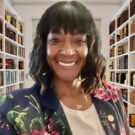
Demetrice “Dee” Jordan is an Instructor and Dean’s Faculty Fellow in the Department of Global Health and Social Medicine at Harvard Medical School and a Visiting Researcher in the Sabeti Lab at the Broad Institute of MIT and Harvard. She holds a dual PhD in Health Geography and Environmental Science & Policy from Michigan State University and an MPH in Global Health from the Harvard T.H. Chan School of Public Health. Her research focuses on the spatial-ecological determinants of infectious disease, how climate change alters the geographic variation of pathogen risk, and strategies for advancing equity in global health systems. She is currently expanding this work through wastewater-based environmental surveillance in unsewered communities, integrating pathogen genomics and metagenomics to strengthen early detection and climate-informed disease forecasting. For more than twenty years, Dee has worked at the intersection of community activism, environmental justice, and public health. Her experience includes community-engaged environmental health research in Atlanta through the Community, Soil, Air, Water (C-SAW) project and partnership with the Environment and Community Activists of Galena Park in Texas, which became the basis of her master’s thesis. She later served as a fellow in Emory University’s Urban Health Initiative and supported the HEALing Community Health Center to address healthcare gaps across metro-Atlanta. She is Co-Chair of the MassCPR Community Health and Engagement Working Group and contributes nationally through leadership roles with the American Geographical Society, the Society for Public Health Education, and Oak Ridge National Laboratory.
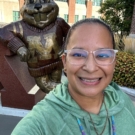
Sara Kernell is an enrolled member of the Muscogee Nation and a descendant of the Seminole Nation of Oklahoma. She is Bear clan and Kialegee tribal town. Sara has been a registered nurse for 23 years receiving her Bachelor of Science in Nursing degree from the OU College of Nursing in 2002, and her Master of Science in Nursing from Oklahoma City University in 2011. She is currently attending the University of Minnesota pursing her Doctorate in Nursing Practice (DNP) degree in Health Innovation and Leadership. She has dedicated her career to working within Native American communities and has served in a variety of nursing roles, most recently working as a Diabetes Nurse Consultant – Certified Diabetes Care and Education Specialist (CDCES) within Indian Health. Sara has been married for 25 years, and they have five children and one grandson.

Mindi B. Levin, MS, CHES® is the founder and director of Johns Hopkins University (JHU) SOURCE, the Community Engagement and Service-Learning Center serving the JHU Schools of Public Health, Nursing, and Medicine. In this role, she leads strategic efforts to integrate public health practice, community engagement, and critical service-learning into health professions education, working in collaboration with over 100 Baltimore community-based organizations as well as faculty, students, and staff across the university. An associate practice professor at the Johns Hopkins Bloomberg School of Public Health, Department of Health, Behavior and Society, with joint appointments in the Department of Health Policy and Management and the JHU School of Nursing, Levin teaches and supports a range of critical service-learning courses. Her scholarship and practice focus on advancing ethical, community-driven engagement by aligning institutional goals with community-identified priorities and fostering justice-centered approaches to public health training and practice. Levin is recognized for cultivating long-term, trust-based community–academic partnerships and for serving as a key intermediary across sectors. Her work develops and models programs that strengthen institutional capacity for community engagement and generates practice-informed outcomes. Through her leadership at Johns Hopkins, she has established infrastructure and reflective practices that have become models for sustaining reciprocal partnerships and advancing socially conscious public health education and practice in Baltimore and beyond.

Elisabeth Adkins Marnik, PhD, is a scientist turned public science communicator whose mission is to make science and public health clear, compassionate, and relevant to everyday life. Raised in a home that deeply distrusted science and medicine, she first encountered real science as a junior in high school. That was a transformative opening that now fuels her belief that science is meant to serve people, and that communication and access determine whether that service reaches everyone. Trained as a geneticist and immunologist, Liz brings more than a decade of research and teaching experience to her work making complex ideas understandable and useful. As Director of Science Education and Outreach at the MDI Biological Laboratory, she leads statewide initiatives that expand access to hands-on biomedical learning, build rural science pipelines, and ensure students and families can see science as something for them. Her programs are designed with one purpose: to connect people with the science that impacts their lives. That same philosophy guides her national work. As Chief Scientific Officer for Those Nerdy Girls, she helps shape evidence-based communication for world-wide readers, emphasizing empathy, clarity, and trust-building in the face of false information. Through Science Whiz Liz, she creates accessible content that makes science feel human and empowering. Liz’s work has been featured on Science Friday, HuffPost, and other media outlets, and she was named to Mainebiz’s 2025 “40 Under 40” list for her leadership and public impact.

Alan “Darrin” McCormick devoted 27 years working for a local community bank in Williamson, Mingo County, West Virginia, “wearing many hats” including Loan Officer, Compliance Officer, Secretary of the Board of Directors and Community Reinvestment Officer. Some of his past community involvement includes serving as a coach, treasurer and member of the Board of Directors of the Williamson Little League, Williamson Buddy League Basketball and Williamson Midget League Football, as well as being an active member of various civic organizations, and serving as Mayor of Williamson from 2005 to 2014. McCormick attended Community Development Institute East and completed numerous public leadership training courses through the Local Government Leadership Academy at WVU during his nearly nine years as mayor. As Mayor, he led a project team from Williamson as an inaugural member of the West Virginia BluePrint Communities initiative, which later was followed with project specific community development training through the West Virginia Community Development Hub’s Communities of Achievement Program, during which emerged the collaborative vision for Sustainable Williamson, a grass roots initiative to create a healthier and wealthier Mingo County. In 2014 Williamson was designated a Robert Wood Johnson Foundation Culture of Health Prize winner. A founding member of Williamson Health & Wellness Center’s Board of Trustees, McCormick’s current position as Community Liaison for its Board and Executive Assistant to its CEO, affords him the opportunity to work enduringly as a champion of positive change by cultivating innovative solutions and promoting new ideas through the mentoring of emerging leadership.

CAPT (ret) Moira G. McGuire is a retired nurse officer with the US Public Health Service who has more than three decades of leadership across federal healthcare systems, national public health initiatives, and integrative wellness programs. She has developed and scaled pioneering programs addressing chronic disease, behavioral health, and the care of wounded, ill, and injured service members. She led the creation of nationally recognized arts and health initiatives, authored operational and evaluation frameworks adopted across federal and civilian platforms, and advised on strategic policy for multiple federal agencies. She established the Arts in Health Program at Walter Reed National Military Medical Center, the first of its kind across the Defense Health Agency, and is a passionate advocate for the use of creativity and self-expression as tools for health, prevention, and well-being. She is an adjunct lecturer at the University of Florida’s Center for Arts in Medicine and George Mason University’s Arts Management Program. She serves as the Co-Executive Director of the US Public Health Service Music Ensemble, is a member of the Editorial Board for the journal Perspectives on Arts in Health, and is a board member of the National Organization for Arts in Health.

Beth Michel is a citizen of the Tohono O’odham Nation as well as Hopi and Navajo. She serves as the Strategic Director of the Center for Native American and Indigenous Studies at Emory University. She manages the relationship-building efforts with the Muscogee Nation, consults on campus-related Tribal affairs, and serves as the advisor for the Native American Student Association. She directs the Native Initiative Committee, a collective working to increase visibility of the Indigenous campus community. Prior to joining Emory, Michel was an Indigenous evaluator at the Centers for Disease Control and Prevention (CDC), Division of Nutrition, Physical Activity and Obesity as a contractor. During her 8 years as a consultant and trusted advisor, she collaborated with more than 30 Tribal health programs and Native-serving organizations to support evaluation design and implementation provided by public health federal funds. Her civic leadership roles include past Chair of Indigenous Peoples in Evaluation for the American Evaluation Association, a current member of the Emory Alumni Board, and she serves as the Chair of the Tohono O’odham Nation’s Institutional Review Board, a position that requires a nomination from the Chairman and a confirmation from the Legislative Council. Michel was named a 2025 Indigenous Education Leader; the academy is a cohort of Indigenous professionals advancing innovation and sovereignty across Indian Country and sponsored by Arizona State University and the National Congress of American Indians. She received a Master of Public Health degree from Emory University, and a Bachelor of Science from the University of Arizona.
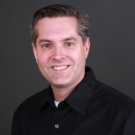
Recognized as among the top 100 most influential people in health care by Modern Healthcare Magazine, Alan Morgan serves as Chief Executive Officer for the National Rural Health Association. He has more than 30 years experience in health policy at the state and federal level, and is one of the nation’s leading experts on rural health policy. Mr. Morgan served as a contributing author for the publications, “Policy & Politics in Nursing and Health Care,” “The Handbook of Rural Aging” and for the publication, “Rural Populations and Health.” In addition, his health policy articles have been published in: The American Journal of Clinical Medicine, The Journal of Rural Health, The Journal of Cardiovascular Management, The Journal of Pacing and Clinical Electrophysiology, Cardiac Electrophysiology Review, and in Laboratory Medicine. Mr. Morgan served as staff for former US Congressman Dick Nichols and former Kansas Governor Mike Hayden. Additionally, his past experience includes tenures as a health care lobbyist for the American Society of Clinical Pathologists, the Heart Rhythm Society, and for VHA Inc. He holds a bachelor’s degree in journalism from University of Kansas, and a master’s degree in public administration from George Mason University.
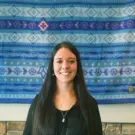
Dr. Samantha Morigeau, PT, DPT (Bitterroot Salish, enrolled Confederated Salish and Kootenai Tribes) is a Physical Therapist for the CSKT Tribal Health Department and currently serves as the Interim Director of the newly established Rehabilitative Services Division, overseeing Physical Therapy, Occupational Therapy, Speech-Language Pathology, Optometry, Audiology, and the Tribal Community Fitness Centers. Born and raised in Arlee, Montana, Dr. Morigeau has dedicated her life to serving her Tribal community. She volunteered for 12 years as a firefighter and Advanced EMT while completing her undergraduate and graduate education. After receiving her Doctor of Physical Therapy degree, she worked as a traveling PT across the western United States before returning home in 2020 to serve CSKT. Her work is grounded in community-based participatory research and culturally responsive practice. As a co-lead of the academic and community collaborative Growing Older Staying Strong, Dr. Morigeau has conducted multiple CBPR projects, including the Community Mobility & Pedestrian Safety (COMPS) Project, which used photovoice citizen science to elevate elder perspectives on walkability and fall prevention. She is currently the Co-PI of a National Institutes of Health R34 planning grant to identify community priorities for a Native American Research Center for Health on the Flathead Reservation. She partners closely with Tribal departments, the University of Montana, and national organizations to improve safe mobility for elders and the broader community. Dr. Morigeau is committed to strengthening trust in health systems through transparency, community voice, and long-term relationship-building. Her leadership bridges clinical practice, systems transformation, and research, reflecting her passion for improving the health, safety, and well-being of Native elders and families.

Hello, my name is Maria I. Palacios and I am 57 years old. I arrived in the USA in 1995. I was 27 years old then and worked in sewing until 2015 when I became pregnant with my last baby. I had to stop sewing because my pregnancy was high-risk, but since I’m used to working, I couldn’t stay home. It was very long, even though there’s a lot to do—cleaning all day long. Well, I started looking into English classes, which I attend a few days a week at LACC, but I found it very difficult to learn. After that, I started taking a course to care for people with disabilities. Then I became a volunteer at the school in an organization that was then called BEST Startmetro LA; now it’s called Collective Transformation. From there, I dedicated myself to training, taking courses as a promoter against domestic violence and as a promoter to talk with people. This is about Blanca, a Mental Health Promoter where I worked for 5 years with the County, giving mental health classes to parents. As a health promoter, I learned about asthma, lead poisoning, cancer, and diabetes. I also worked for 5 years as an ambassador with CHLA, supporting social workers with Spanish-speaking parents, listening to them, and providing them with resources. I have worked with the organization Vision and Commitment. I have also been involved with other organizations, always volunteering in the community and learning from it.
Hola Mi nonbre es Maria I Palacios y tengo 57 anos yo llegue a USA en el ano 1995 ahi tenia 27 anos y trabaje en la costura asta el 20015 cuando sali enbarasadas de ultomo baby tube que dejar la costura por que mi Henbaraso era de alto Riesgo pero como estoy acostunbrada a trabajar no me podia quedar en casa todo el era muy largo apesar de que ay mucho queaser limpiar limpiar todo el dia bueno empese a envestigar unas clases de ingles donde asisto unos cuantos dias el LACC pero se me aecho muy aprender bueno de ahi empece tomando un curso para ciudar personas con discapacidad luego me puse de vuluntaria en la escuela en la organisacion que en ese entonses se llamaba BEST startmetro LA ahoara se llama Transformacion Colectiva
De ahi me dedique a capacitarme Tomando Curzos de promotora contra la violencia Domestica promotora ra para Ablar con personas de trata de Blanca promotora de Salud Mental donde trabaje durante 5 anos con el Condado dando clases de Salud mental a los padres. promotora de salud Aprendiendo sobre el asma el plomo el cáncer la diabetes.
Tambien al Trabaje durante 5 anos como enbajadora con CHLA Apollando alas trabajadoras sociales con los padres que ablaban en Espanol dandoles escuchandolos y dandoles de los recurzos e trabajado con la organizacion de Vicion y compromiso. y Tambien e estado con otras organisaciones sinpre en la comunidad de boluntaria aprendiendo de la comunidad.

Mary Rattler-Laducer is an HIV certified Registered Nurse and a current Doctor of Nursing Practice (DNP) student at the University of Minnesota. She is an enrolled member of the Blackfeet tribe of Montana and is also affiliated with the Turtle Mountain Band of Chippewa. With over eight years of clinical experience in bedside and outpatient care, and fourteen years in ambulatory settings, Mary brings a wealth of practical knowledge to her work. Her lived experience and deep understanding of the specific social determinants of health affecting tribal nations inform her trauma-informed, culturally responsive care. These strengths allow her to connect meaningfully with patients and advocate for their unique needs. Mary currently works in an urban HIV/STI clinic serving the American Indian and Alaskan Native population, where she is deeply committed to delivering specialized care for Native American/Alaska Natives, two-spirit, and gender-diverse individuals. Mary has served as president of the Council of Nurses for Quality Improvement and on the Cultural Advisory Board of a Native American hospital, where she championed initiatives to ensure patients have access to traditional spiritual practices that promote holistic healing alongside Western medicine. She is recognized for applying a trauma-informed lens and leveraging her cultural knowledge to foster health equity and compassion in every aspect of her professional practice.

Dr. Juan A. Ríos, LCSW is an Afro-Latino scholar-practitioner, national health policy leader, and innovator working at the intersection of mental health, artificial intelligence, and community justice. He is an Associate Professor at Rutgers University–Newark and a 2025–2026 Robert Wood Johnson Foundation Health Policy Fellow at the National Academy of Medicine. Dr. Ríos is currently placed in the United States Senate as a Senior Policy Fellow, where he contributes to federal policy initiatives focused on youth mental health, behavioral health workforce development, community violence prevention, and ethical technology integration in public systems. Dr. Ríos is the Founder of the RIOS Lab (Reflexive, Innovative, Objective Research for Social Justice), Bienestar Health Group, and Ríos & Associates Therapeutic Solutions, advancing culturally responsive, trauma-informed, and technology-enabled behavioral health services across urban communities. His work integrates design justice, community-based participatory research, and emerging technologies to strengthen access, quality, and equity in systems of care. A nationally recognized speaker, TEDx presenter, and advisor to municipal, federal, and philanthropic partners, Dr. Ríos bridges research, practice, and policy to advance scalable, justice-centered solutions for public well-being. His guiding philosophy centers on healing through innovation, community-centered design, and resilient advocacy.

Nathaniel Siggers is a trained facilitator bringing expertise in planning and improving treatment strategies based on specific patient needs. He leads effective individual and group counseling sessions with evidence-based techniques. Siggers targets approaches on unique patient needs and backgrounds. He is a trainer for WV Leadership Academy, Certified Trainer for CCAR (Connecticut Community for Addiction and Recovery), WV State Certified Peer Support Specialist. Siggers is a focused Addiction and Recovery Trainer and promotes superior skill in curriculum development and academic program management. He assesses participants needs and program effectiveness to suggest actionable improvements to meet participants learning objectives. Siggers is an ambitious trainer who strives to cultivate inclusive learning environments rooted in progress and wellbeing.

Melissa A. Simon, MD, MBA, MPH is the George H. Gardner Professor of Clinical Gynecology, Vice Chair of Research in the Department of Obstetrics and Gynecology at Northwestern University Feinberg School of Medicine. She is also the Founder and Director of the ELEVATE Lab and the Chicago Cancer Health Equity Collaborative. She serves as the Robert H. Lurie Comprehensive Cancer Center’s Associate Director for Community Outreach and Engagement. She is an expert in implementation science, women’s health across the lifespan, minority health, community engagement and health equity. She has been recognized with numerous awards for her substantial contribution to excellence in health equity scholarship, women’s health and mentorship, including her election to the National Academy of Medicine and the Association of American Physicians. She has received the Presidential Award in Excellence in Science Mathematics and Engineering Mentorship and is a Presidential Leadership Scholar. She is a former member of the US Preventive Services Task Force and immediate past advisor for the NIH Office of Research in Women’s Health Advisory Committee. She currently serves as an Associate Editor for JAMA, and she serves on the CDC Community Preventive Services Task Force. She is the President-Elect of the American Gynecological and Obstetrical Society.
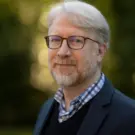
Dr. Brian Southwell is Distinguished Fellow at RTI International where he oversees research to assess risk perceptions, mental models of scientific concepts, and trust in science and scientists. Dr. Southwell also is an adjunct professor of Internal Medicine with Duke University, an adjunct associate professor with UNC-Chapel Hill’s Gillings School of Global Public Health, and an adjunct faculty member with the University of Delaware. Southwell co-leads the All of Us Researcher Academy to improve access and representation in scholarly publishing for the National Institutes of Health. He is an active participant in efforts to address public understanding of science through peer-reviewed publications as well as public commentary, talks in venues such as the Aspen Ideas Festival, and advising for projects such as NOVA Science Studio. Southwell also has served several National Academies of Sciences, Engineering, and Medicine committees, including a consensus study on misinformation about science and the Standing Committee for Advancing Science Communication. Southwell’s award-winning research and theoretical contributions appear in more than 150 journal articles and chapters and four books. In 2013, Southwell published the book Social Networks and Popular Understanding of Science and Health with Johns Hopkins University Press and in 2018 he coedited Misinformation and Mass Audiences with the University of Texas Press. Southwell’s latest book, from RTI Press, is Measuring Everyday Life: Talking About Research and Why It Matters, curated from interviews featured on a public radio show he created and hosts for WNCU 90.7 FM called The Measure of Everyday Life.

Misty L. Wilkie, PhD, RN, FAAN is an enrolled citizen of the Turtle Mountain Band of Chippewa and Métis descendant. She is a Clinical Professor and Inaugural Director of the Center for Indigenous People, Health, and Nursing at the University of Minnesota School of Nursing, where she also serves as Director and Mentor for the Pathway to Doctoral Education for American Indian/Alaska Native (AI/AN) Nurses. Under her leadership, the School enrolled 20 AI/AN Doctor of Nursing Practice students—the largest cohort at a single university. Prior to her appointment at the UMN SON, Dr. Wilkie was a Professor at Bemidji State University. During her tenure at BSU, in 2017, she was the first in Minnesota to receive a HRSA Nursing Workforce Diversity grant and was the Founder/Director of Niganawenimaanaanig (Ojibwemowin for ‘we take care of them’), securing $4.2 million in federal funding to recruit, retain, graduate, and license American Indian/Alaska Native/Indigenous baccalaureate prepared nurses. A nationally recognized leader in health equity, she has contributed extensively to national initiatives focused on advancing culturally responsive nursing education and care for American Indian/Alaska Native communities, grounding student support in Indigenous values and providing cultural, academic, and social support.
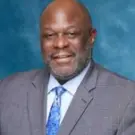
Joseph L. Wright, MD, MPH is Senior Vice President and Chief Health Equity Officer of the American Academy of Pediatrics (AAP). He previously served as Chief Medical Officer within the University of Maryland Medical System, Chair of Pediatrics at the Howard University College of Medicine, and spent more than two decades in senior leadership at Children’s National Hospital in Washington, DC, where he provided strategic direction for the organization’s community partnerships and launched the Child Health Advocacy Institute. He maintains faculty appointments as adjunct professor of emergency medicine, pediatrics and health policy at the George Washington University Schools of Medicine and Public Health. Academically, Dr. Wright is among the nation’s original cohort of board-certified pediatric emergency physicians with scholarly interests that include the needs of underserved communities and has contributed over 120 publications to the scientific literature. He is recipient of career achievement awards from the AAP for humanitarianism, and distinguished contributions to the disciplines of injury prevention and emergency medicine, and has also been recognized with the George Armstrong Award from the Academic Pediatric Association, the University of Maryland Distinguished Terrapin Award, and the George Washington University Distinguished Alumni Achievement Award all the most prestigious honors bestowed by those institutions. Dr. Wright earned a BA from Wesleyan University, MD from Rutgers New Jersey Medical School, and Master of Public Health in administrative medicine from George Washington University. He is the son of New York City civil servants and a proud descendant of the South Carolina sea islands Gullah community.
Sponsor
Have Questions?
Get in Touch
To learn more about the NAM’s Building Trust in Health Science Collaborative, contact NAMedicine@nas.edu. You can also join our mailing list for program updates.
